Search by tag: KMP
5 articles
Featured
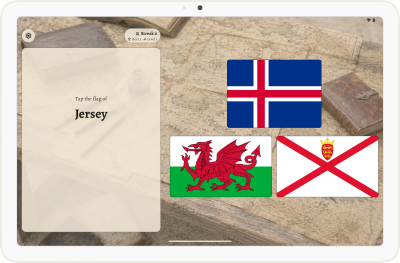
Eurogeo – learn Europe's flags and capitals offline
Eurogeo is out on the Google Play Store. It is a geography quiz centred on Europe. In this release it asks about the countries' flags, their capitals, and the links between the two. Unlock new challenges as you climb levels. No account needed, no useless screens – open the app and you are already…
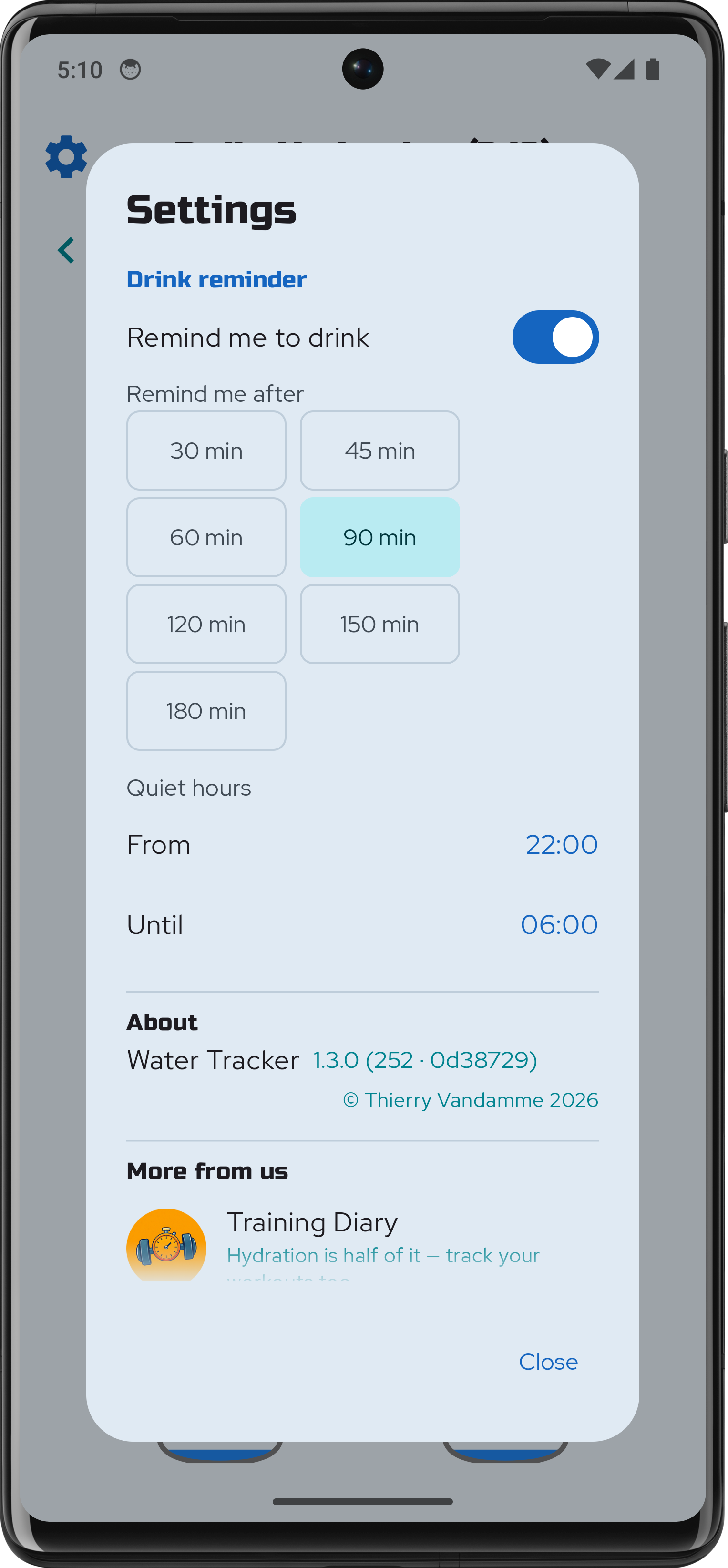
Water Tracker 1.3.0 — drink reminders
Water Tracker 1.3.0 is on Google Play Store. Easy to forget the essentials when we are deep in our work or daily activities. Water Tracker can now remind you to hydrate regularly. Reminders can be enabled by flipping a switch in the app's settings. Choose the gap that suits you: how long a…
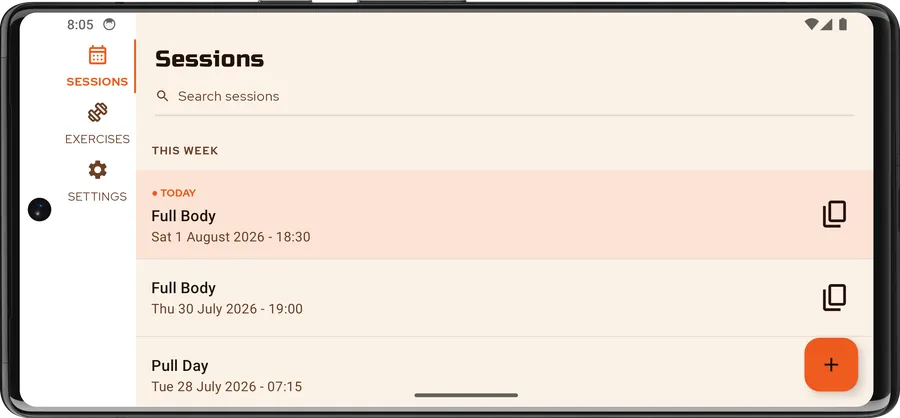
Training Diary 2.0.0
Training Diary is out on the Google Play Store.It is a straightforward log for the training you actually do: sessions, exercises, and setscounted in reps or timed, with weight or elastic-band resistance. It works entirely offline —no account, no sign-in, no backend. The version number starts at…
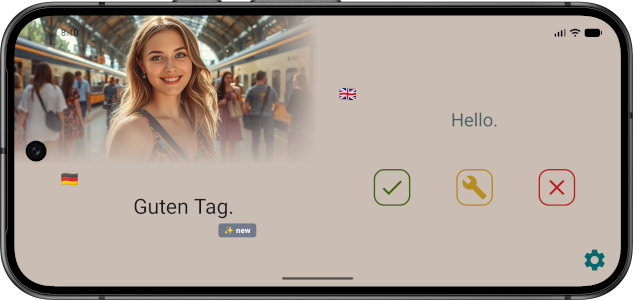
Eurolinguo
Eurolinguo is now live on the Google Play Store. This initial release is a native Android application built with Kotlin Multiplatform (KMP). Tired of language apps that force you to tap through five screens to reach a lesson or focus on memorizing dozens of animal and color names, Eurolinguo is…
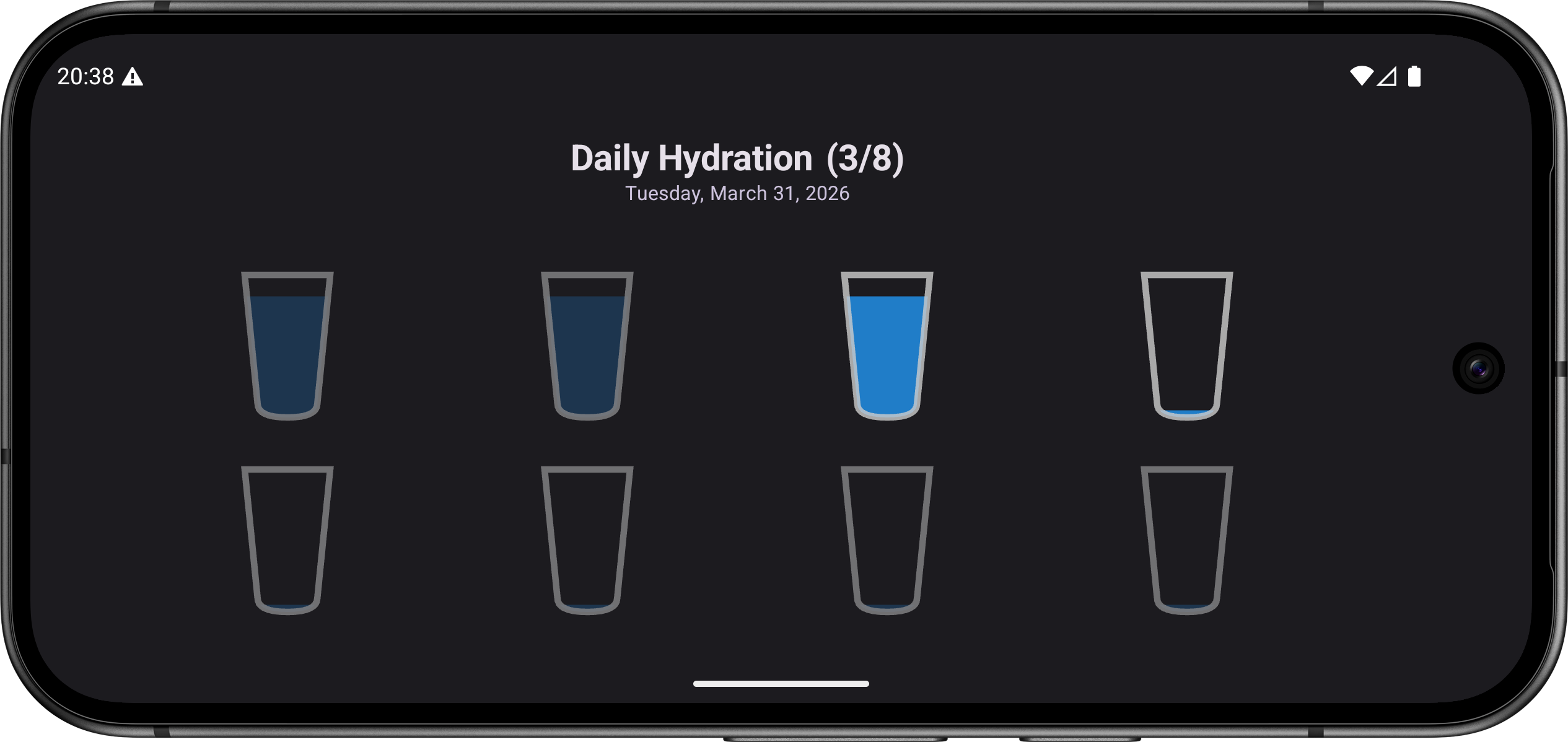
Water Tracker
Here is the release of a small hydration tracker, made with Compose Multiplatform (CMP). It is a lightweight, high-performance utility app for Android and iOS. The goal was to create a seamless, reactive experience while keeping the UI layer entirely decoupled from business logic: the "Dumb UI"…